published 30 May 2025
Weekly Wrap
The Money Wrap: This Week’s Business & Consumer Trends 🛍️
Wrapped by Matt Bowen, Friday 30 May 🎧 to Peking Duk radio.
This week we cover Myer’s midlife (hopefully) glow-up, the forces hitting luxury brands hard, a regulatory reality check for BNPL that’s coming soon and the heads up on what it will cost you to shred the slopes this winter. Enjoy.
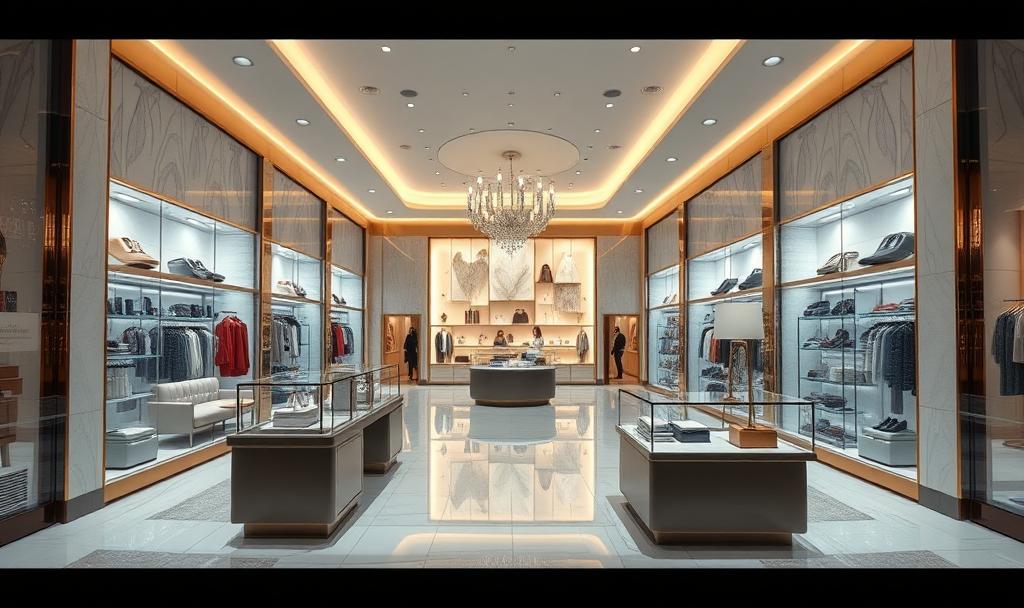
🛍️ Myer’s Big Makeover: From Department Store to Experience Hub
Australia’s retail royalty is having a moment of reckoning. After 125 years of doing things one way, Myer has just unveiled what might be their biggest transformation yet – and it’s not just about selling clothes anymore.
The numbers tell the story: sales up a modest 1.9% in the first half, but share price down 40% from their December peak. And it’s the continuation of a well-trodden retail story. Consumers hunting down bargains wherever they can find them, ditching brand loyalty and shopping more online. Ouch. So what’s the plan? Think beauty bar meets fashion runway meets digital revolution, all wrapped up in a $50 million makeover of their flagship Bourke Street store.
The real game-changer is happening behind the scenes with their loyalty program. Myer One is expanding beyond just Myer to include brands like Just Jeans, Jay Jays, and Dotti. They’re taking notes from the Qantas’ playbook here – and understandably there’s good knowledge of it with Olivia Wirth at the helm. Aussies love rewards programs, but only when the ecosystem is open.
The transformation starts rolling out from August, so keep an eye on how this plays out. Will Myer’s bet on experience over pure retail pay off? Time will tell.
💎 Luxury’s Reality Check: When Even Chanel Feels the Pinch
Remember when luxury goods were supposedly recession-proof? Well, those days might be over. The luxury market is having its toughest time in years, with even the big guns like Chanel and LVMH reporting some pretty sobering numbers.
Chanel just posted a 30% profit drop with sales down 4%, while LVMH saw their main fashion labels (LV, Dior, Fendi) fall 5%. LVMH’s share price hit its lowest point since 2020, and they’ve slipped out of Europe’s top 5 most valuable companies. The prestige and reputation of lux having a little stumble.
Three big factors are driving this slowdown:
- China’s economic wobbles (which used to be luxury’s golden goose),
- US consumers getting spooked by tariff talk, and a hugely uncertain outlook
- Shift in consumer values. People are increasingly choosing experiences over acquiring stuff, and when they do buy luxury, they’re gravitating toward independent brands rather than the mega-conglomerates.
Here’s the kicker though – lux is never on the clearance rack. In saying that, don’t expect price hikes either. Industry experts reckon we’re entering a period of “sustained pricing” where luxury brands will focus on craftsmanship and quality rather than discounting their way out of trouble.
💳 BNPL Gets a Reality Check: New Rules for Buy Now, Pay Later
The wild west days of buy now, pay later are officially over. Starting June 10, new regulations are kicking in that will fundamentally change how BNPL works in Australia – and it’s good, particularly for young Aussies.
Here’s what’s changing: BNPL providers will now have to do proper affordability checks, review credit profiles, and be way more transparent about fees and complaints processes. It’s going to be a big shift from perceptions of being the ‘magical money fairy’ to responsible lender. It’s regulation catching up with innovation, and ultimately we’ll all benefit.
The stats are pretty eye-opening – about 40% of Aussies have used BNPL services, according to Finder, but unlike traditional lending, there’s been virtually no checking whether people can actually afford to pay back what they’re borrowing. That’s led to some plenty getting in over their heads and finding themselves slugged with a big backlog of late payment or missed payment fees.
The good news? BNPL has proven that it does solve a problem and can play a role in supporting with short-term cash flow challenges. But now there’ll be proper guardrails to protect people from making financial decisions that could hurt their long-term credit worthiness. You’d kick yourself if those impulse buys at the shopping centre prevented you from getting finance for a car or home down the line.
🎿 Powder Burns Your Wallet: The True Cost of Ski Season
With winter ski season just around the corner, here’s your friendly reminder that hitting the slopes is going to cost you big time. We’re talking about budgeting around $1,000 per day if you want to do it properly – and that’s not even the fancy stuff.
The ski industry in Australia is important for regional and alpine regions in NSW and VIC – pumping over $2 billion into the Victorian Alpine resorts last year (and even more in NSW), but that economic success comes with a price tag that might make your eyes water.
Here’s the breakdown: The seasons are getting shorter due to climate factors, which means higher demand compressed into fewer weeks, which naturally drives prices up. On top of that, the essentials like accommodation, ski hire, lift passes, food, and everything else you need for a day on the mountain adds up fast. So you’ve got to prep.
Here are the insider tips: book early for lift passes (peak pricing is real), consider renting gear instead of buying unless you’re a regular, and look into accommodation with cooking facilities because mountain food prices are genuinely shocking. Some of the smaller ski fields and satellite towns can offer better value if you don’t mind being a bit further from the main action and are looking for more of a snow experience v ski experience.
It’s understandable why places like NZ and Japan thrive in ski season. If you can capture a cheap flight – you’re hitting the slopes with better snow and with not much more of a hit to the hop pocket.
🚨 Scam Alert: Australia Post Imposters Are Getting Scary Good
There’s (another) sophisticated scam doing the rounds that’s targeting Australia Post customers – and it’s so well done that over 600,000 Aussies have already been hit.
The scam, nicknamed ‘Dracula’ works by sending fake SMS or email notifications about parcels that couldn’t be delivered. The messages look completely legitimate, the websites are perfect replicas, and they’re asking people to click links to “verify details” – which is obviously code for “please give us your personal information so we can steal your identity and money.”
The golden rules remain the same: never click links in text messages or emails without validating who sent them first, never give personal details over the phone unless you initiated the call, and contact your bank immediately if you think you’ve been caught out.
With 75% of Aussies now regularly receiving parcels (thanks to a healthy online shopping addiction), Australia Post is naturally becoming a prime target for scammers. The best defense? Healthy skepticism and always verifying through official channels like the official Auspost app before clicking anything.
Til next week.
Want to be notified when this is published? Or have it sent direct to your inbox. Subscribe
Other Explainers you might be interested in


All information in the ING Newsroom is accurate at the time of publication.