published 26 Sep 2025
Insight
Green goals, hip pocket benefits: Why Australia’s new emissions target is a win-win
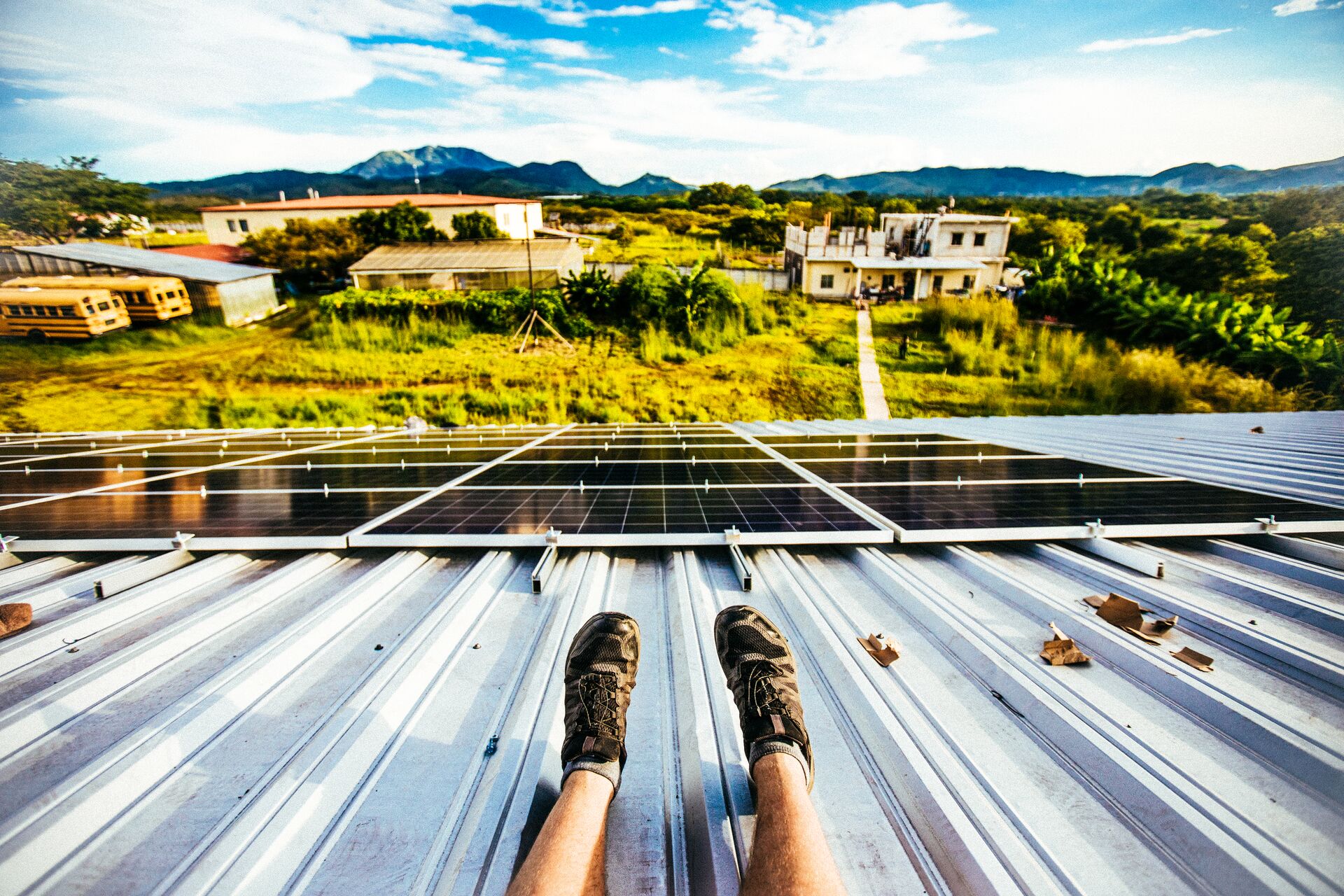
The Federal Government has just locked in a bold new energy target – cutting emissions by up to 70% by 2035. And this isn’t just about saving the planet, according to Treasury estimates, Australian households could be looking at some decent savings while doing their bit for the environment.
Dollars for sense
Let’s take a look at the numbers that have been included in the latest Treasury modelling. They show some genuinely impressive potential savings if enough of us get on board with electrifying our homes:
- Electrifying your ride: Switch to an electric vehicle and you could save $2,070 annually while cutting emissions by a massive 67%
- Heat pump heating: Ditch the gas heater for electric and pocket $860 a year with an 18% emission reduction
- Electric hot water: A $140 annual saving with 7% less emissions
- Induction cooking: Even something as simple as switching your cooktop saves $40 a year and cuts 1% of emissions
- Solar and battery combo: The big kahuna at $1,200 in annual savings and 6% emission reduction
If an average Aussie household made all of the upgrades above, it’s a potential household saving of $4,300 a year. That’s not just pocket change; it’s a family holiday, a school laptop, or a serious dent in the mortgage. It’s the kind of incentive that many need to drive our motivation to act.
Real people, real opinions
But when it comes to how everyday Australians are actually thinking about these green upgrades, well the conversation isn’t quite as straight-forward.
Recent research from ING shows growing interest among Australians in making their homes more sustainable, with many viewing eco-renovations as a smart investment for the future. And the appeal of Green Loans with lower interest rates than traditional home loans or personal loans is seen as an attractive option, particularly for those who aren’t able to self-fund, but want to make the changes sooner.
It’s also reassuring to see the government backing its climate ambitions with structural support – not just short-term rebates or aspirational targets. The additional $85 million investment to expand the Nationwide Housing Energy Rating Scheme (NatHERS) is a meaningful step. This star-rating system will help more households understand how energy efficient their homes are, and what upgrades could improve it.
Making it work
Of course, there are challenges. Not everyone can afford the upfront costs, even with government incentives or competitive green loans. And for most households, the biggest motivator is clear: it’s about cutting energy bills. This tends to outweigh environmental concerns or even the comfort benefits of a more efficient home. The big question is, how are energy costs likely to shift in the coming years – and when is the right time to take the leap? Timing matters, especially when you’re weighing financial and environmental gains.
*Source: Treasury estimates and government policy announcements*
Matt Bowen is ING’s Head of Consumer & Market Insights. He appears daily on Ch7 Sunrise program with commentary on the top money stories for Australians. For interviews or media enquiries, or interview requests, please contact Cassandra Geselle.
Other Explainers you might be interested in



Insight
Matt Bowen
How a strong Aussie dollar can help your holiday budget stretch further
Read more
All information in the ING Newsroom is accurate at the time of publication.