published 26 Jun 2026
An estimated 2 in 3 Aussies are opting for imperfect produce to save money on their groceries
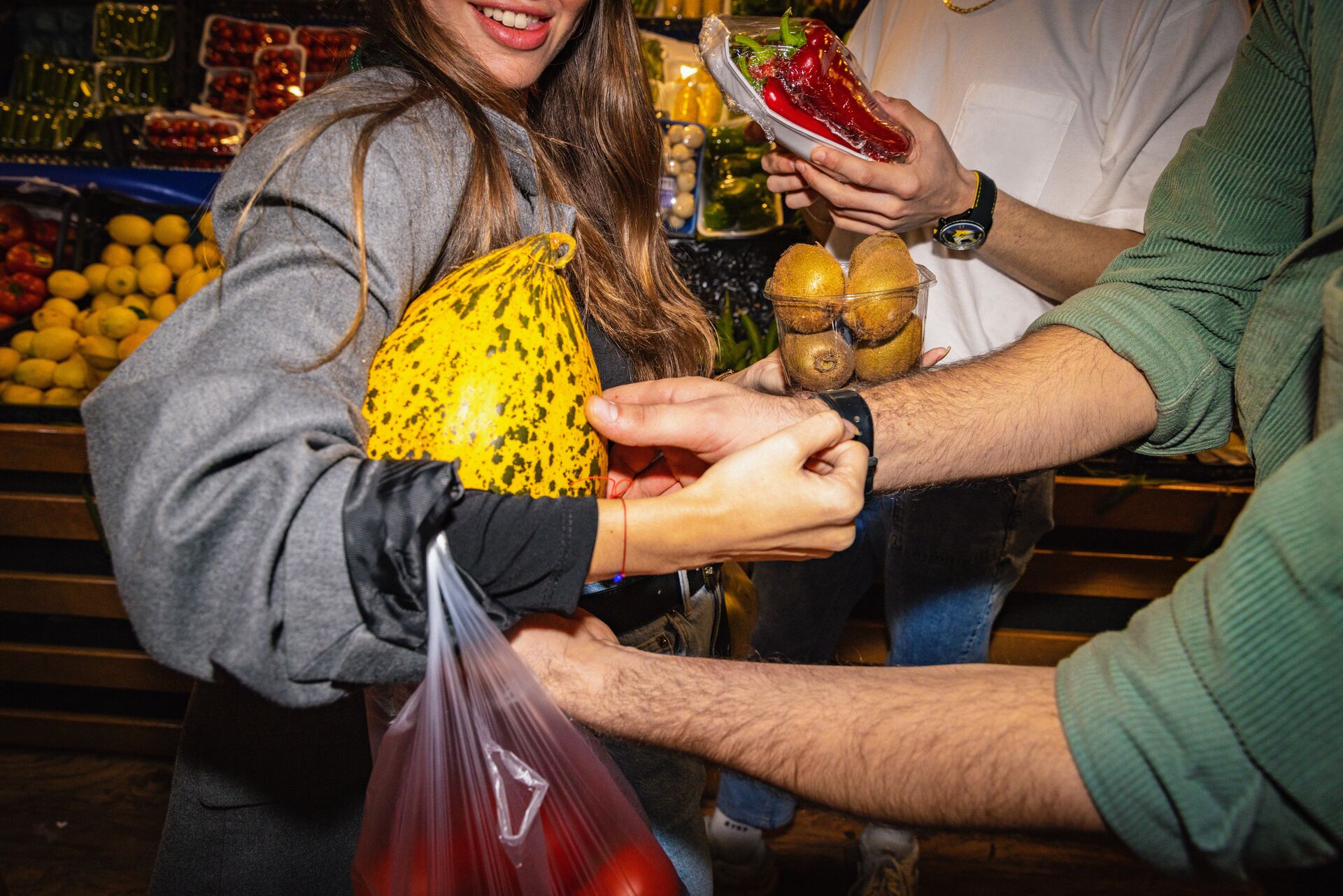
- Two in three (65%) say they’d happily buy imperfect-looking produce to save money, and 71% are bothered that perfectly edible fruit and veg goes to waste based on looks alone
- An estimated nine in ten (86%) Australians have taken at least one action to reduce the cost of fruit and vegetables over the past 12 months, from buying on special to switching to frozen or canned alternatives
The rising cost of fresh fruit and vegetables is influencing over seven in ten (71%) to make different shopping decisions, with many turning to strict seasonal shopping (37%) and discounted produce (35%).
Australians are also moving away from the supermarket, with one in six (18%) having grown their own produce, swapped or received food from friends, neighbours, or community groups. One in eight (12%) Aussies are even preserving leftover fruit and vegetables to reduce waste.
Matt Bowen, Head of Consumer & Market Insights at ING, said:
“A shift in consumer behaviour reflects a pragmatic response to persistent household budget pressures. Rather than simply cutting back, Australians are shopping smarter.
We’re seeing Australians carefully assess what goes into their shopping baskets, diversify where they shop, and re-evaluate how they’re thinking about value. These might feel like small shifts, but they can contribute to savings over time, helping Australians to regain control of their money.”
The bigger picture
To combat cost-of-living pressures, an estimated 86% of Aussies have taken steps in the past 12 months to reduce their fruit and vegetable costs, with strategies like hunting for special offers and discounts (35%) and switching to frozen or canned alternatives (30%).
Older generations (Gen X and Baby Boomers) are more likely than younger generations (Gen Z and Millennials) to trade off appearance of the produce they buy (51% and 50% compared to 34% and 38% respectively), while younger generations are more likely than those older to compromise on convenience (Gen Z: 29% and Millennials: 29% compared to Gen X: 16% and Baby Boomers: 14%).
Matt’s top tips for smarter, savvier grocery shopping
- Befriend the wonky carrot: Odd shaped or blemished doesn’t mean bad. Imperfect produce is just as nutritious, often cheaper, and helps cut food waste. Head to the wonky veg section at your local supermarket or check out farmers boxes online where some of the best deals could be hiding.
- Broaden your shopping horizons: Don’t be afraid to venture out. Try a new brand, or better yet, try shopping at a new store entirely. Explore local grocers, markets and discount retailers, to find out what you might be missing. You might be surprised by what you find, and what you can save.
- Join a loyalty program: They’re called rewards points for a reason, and those small little bonuses can add up faster than you think.
- Find ways to save elsewhere, through cashback programs: Similar to loyalty programs, cashback could help you save in other areas of your spending – like ING’s Pocket Perks***, that allows ING Orange Everyday and Orange One cardholders to access cashback offers from select merchants across a suite of categories.
Notes to editors
When we say ‘Australians’ in this release, we’re referring to Australian adults 18+ who responded to the survey. Findings from the report are subject to standard sampling tolerances and the inherent limitations of survey-based research.
This study was conducted online between 11th – 13th May 2026. The sample is comprised of a nationally representative sample of 1,042 Australians aged 18 years and older. Respondents are sourced from the YouGov panel. Following the completion of interviewing, the data was weighted by age, gender and region to reflect the latest ABS population estimates. Significant differences have been reported at the 95% confidence interval. This study has been carried out in accordance with the ISO 20252:2019 standards, to which YouGov is accredited.
***ING Pocket Perks is a rewards program for Orange Everyday Debit Card holders and Orange One Card holders aged 18 years and older. Each debit or credit card you hold will automatically be enrolled into ING Pocket Perks. ING Pocket Perks offers are subject to specific eligibility requirements set by the merchant providing the offer, and these details will be displayed in the ‘Offers’ section of the ING app. Cashback is usually credited within 7 days of a qualifying purchase being fully processed. ING Pocket Perks offers are also subject to the Orange Everyday Terms & Conditions or Orange One Terms & Conditions that correlate to the card you hold. Offer information displayed in the ING App is provided by participating merchants. ING Bank (Australia) Limited makes no representations or warranties of any kind, express or implied, about the completeness, accuracy, reliability, suitability or availability with respect to the offer information. Offers are for a limited time only and subject to change.
Each Orange Everyday and Orange One card you hold will be automatically enrolled into ING Pocket Perks. Enrolment usually happens within 24 hours of card activation, however in some rare cases it could take up to 90 days. You can make sure that your card is enrolled by logging into the ING App, navigating to your card, then selecting “ING Pocket Perks”.
Any advice on this website does not take into account your objectives, financial situation or needs and you should consider whether it is appropriate for you. Before making any decision in relation to our products you should read the relevant Terms and Conditions booklet and Fees and Limits Schedule, available at ing.com.au or by calling 133 464. To view these documents you may need Adobe Acrobat. If you have a complaint, please call us on 133 464 as we have procedures in place to help resolve any issues you may have. Products are issued by ING, a business name of ING Bank (Australia) Limited ABN 24 000 893 292, AFSL and Australian Credit Licence 229823.
About ING:
ING changed the way Australians bank 27 years ago by launching the country’s first digital-led branchless bank. ING now offers Australians home loans, transactional banking, superannuation, credit cards, personal lending, insurance and wholesale banking services. ING is:
- Australia’s #1 bank 2026, awarded by Forbes.
- Australia’s most recommended bank according to RFI Global’s Consumer Atlas Survey, July – December 2025 (n = 29,246) when compared to customers of the 10 largest ADIs operating in Australia amongst AFR customers.
- Australia’s fifth largest main financial institution (MFI) with 5% market share according to RFI Global’s Consumer Atlas Survey, July – December 2025 (n = 29,246).

All information in the ING Newsroom is accurate at the time of publication.